Brew a better cup at home.
Good beans and a kitchen scale get you most of the way. These are the recipes we use behind the counter, cut down to one or two cups, with what to change when a cup tastes off.
The ratios, side by side
Coffee to water, by weight. Scroll sideways for all five.
Pour-over
1 : 16
22 g coffee to 350 g water. Three minutes.
French press
1 : 14
30 g coffee to 420 g water. Four minutes.
Cold brew
1 : 8
100 g coffee to 800 g water. Sixteen hours.
Drip machine
1 : 17
60 g coffee to a full liter of water.
Moka pot
1 : 7
Fill the basket level and the base to the valve.
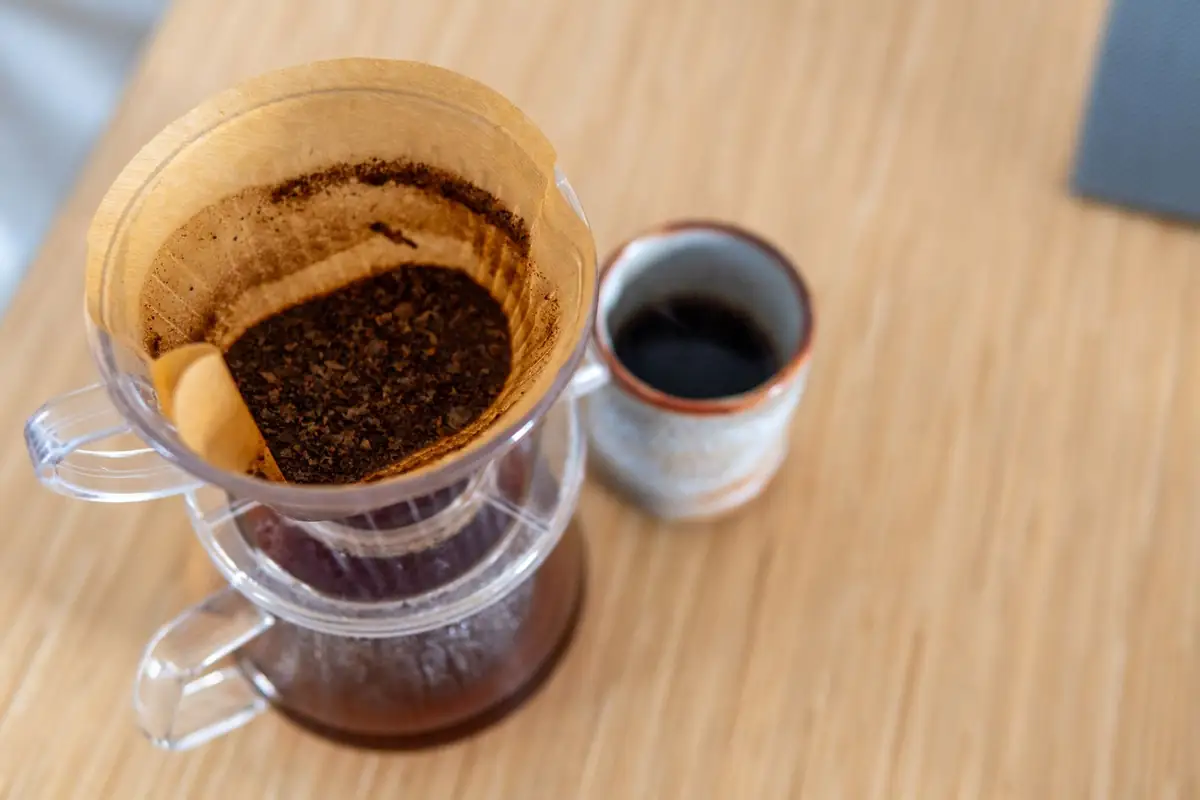
Pour-over, step by step
- Heat the water to 205 degrees, or boil it and wait thirty seconds.
- Rinse the paper filter with hot water and tip the water out. It takes the paper taste away and warms the cup.
- Add 22 grams of coffee, ground like sand, and shake it level.
- Pour 50 grams of water to wet all the grounds. Wait thirty seconds while it puffs up.
- Pour the rest slowly, in small circles, until the scale reads 350.
- It should finish dripping at about three minutes. Faster, grind finer. Slower, grind coarser.
French press and cold brew
-
French press
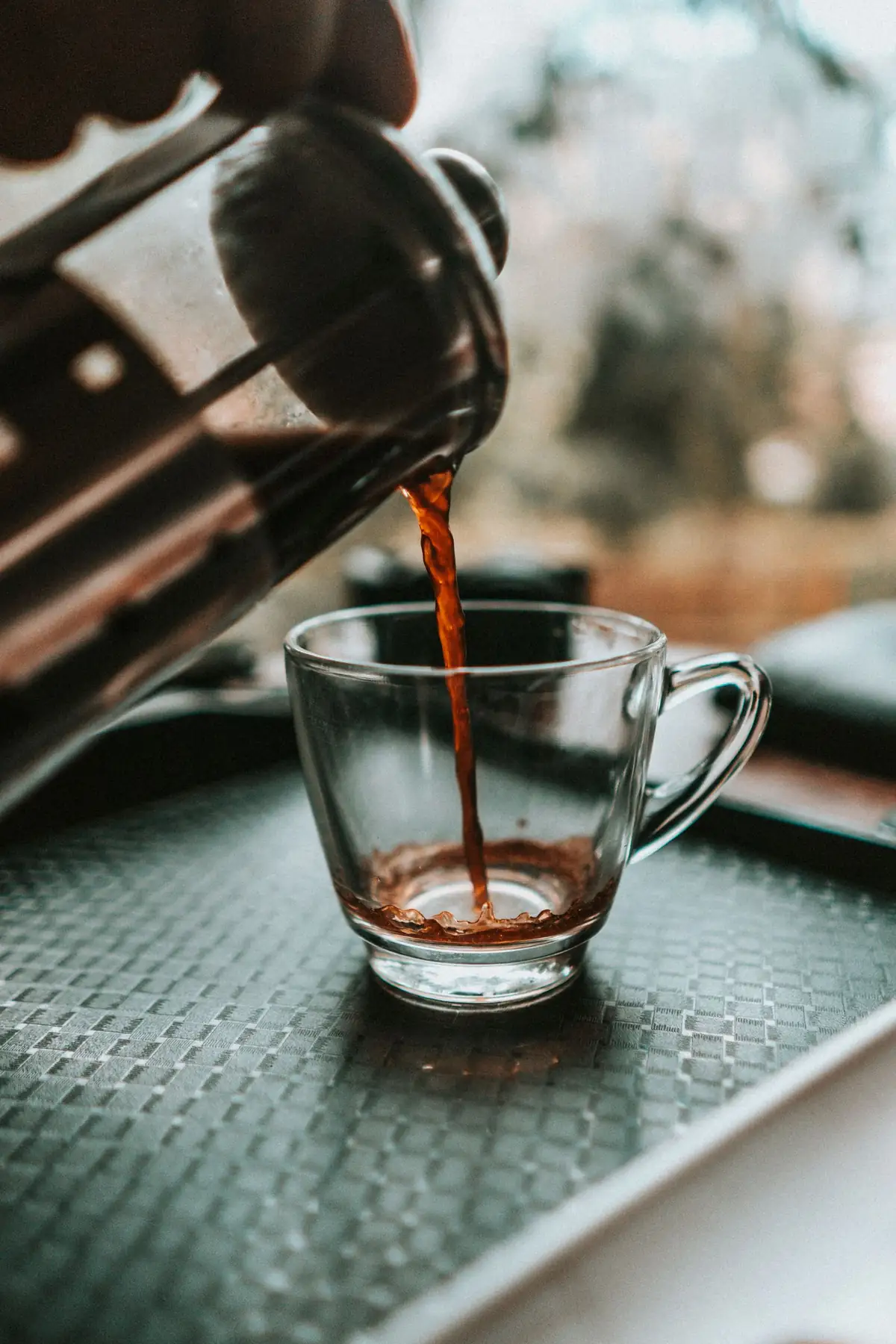
Coarse grind. Pour all the water at once, stir once, and put the lid on without pressing. At four minutes, press slowly and pour everything out right away, or it keeps brewing and turns bitter.
-
Cold brew
Coarse grind in a jar with cold water. Stir, cover and leave it in the refrigerator for sixteen hours. Strain through a paper filter. It keeps a week, and you cut it half and half with water or milk.
-
Drip machine
Use two tablespoons for every six ounces, and fresh cold water. Take the pot off the hot plate when it finishes. Coffee left cooking on the plate is what most people think bad coffee tastes like.
When a cup tastes off
| It tastes | Usually means | Next time |
|---|---|---|
| Bitter and harsh | Brewed too long, or ground too fine | Grind a little coarser |
| Sour and thin | Brewed too fast, or water too cool | Grind finer, and use hotter water |
| Weak and watery | Not enough coffee | Weigh it. Add two more grams |
| Strong but good | Nothing wrong | Add a splash of hot water to the cup |
| Flat, like cardboard | Old beans | Check the date on the bag |
What is worth buying
- A kitchen scale, about $15. It is the one thing that changes every cup.
- A burr grinder, from $45 for a hand one. Fresh-ground beans beat any brewer.
- A pour-over cone and filters, $28 at our counter, with a lesson.
- A kettle with a thin spout helps, and is not needed to start.
- Skip pods, flavored beans and anything with a built-in grinder under $100.
Learn it at the counter
On the first Saturday of the month at 2, after the rush, Nora teaches a one-hour brewing class at the big table. It is $20, six people at most, and you go home with a bag of beans.
- JanuaryPour-over from scratch.
- FebruaryTasting three beans side by side.
- MarchFrench press and cold brew.
- AprilMilk steaming and a first try at latte art.
- MayRoasting at home in a skillet.
Asked about brewing
Do I really need a scale?
It is the cheapest fix there is. A scoop of dark roast and a scoop of light roast weigh different amounts, and a scale ends the guessing.
Is tap water all right?
Springfield tap water is fine if it tastes fine. If you can taste chlorine, run it through a pitcher filter first.
Can I make espresso without a machine?
Not quite. A moka pot gets close, strong and thick, and it makes a good latte at home.
How hot should the water be?
About 205 degrees for a light roast and a little cooler, 195, for a dark one. Boiling water straight off the stove scorches dark beans.
Stuck on a recipe?
Bring your brewer in on a quiet afternoon and we will make a cup with it together. No charge if you buy the beans.