Once
$130
Two hours. I go through the house with a 40-point list, fix the small things as I go and leave a written report.
Fix-It Frank's Handyman Service · Ozark
Concept design by Medeiros Web Design. Fix-It Frank's is a fictional business.
Houses do not break all at once. They go a little at a time, in places nobody looks. An hour, four times a year, catches nearly all of it.
| Season | Outside | Inside |
|---|---|---|
| Spring | Walk the house after the first big rain. Look at gutters, downspouts, caulk and where water sits | Change the furnace filter. Test alarms. Check under every sink for drips |
| Summer | Wash the siding. Check the deck for soft boards and loose rails. Trim shrubs off the house | Clean the dryer vent and the bathroom fan covers. Flush the disposal with ice |
| Fall | Clean gutters after the leaves drop. Disconnect hoses. Check weather strip at every door | Change the filter again. Reverse the ceiling fans. Look in the attic for daylight or stains |
| Winter | Knock ice off the steps, not the gutters. Watch for icicles in one spot, which means heat is escaping | Open cabinet doors under sinks on outside walls in a hard freeze. Know where the main shutoff is |
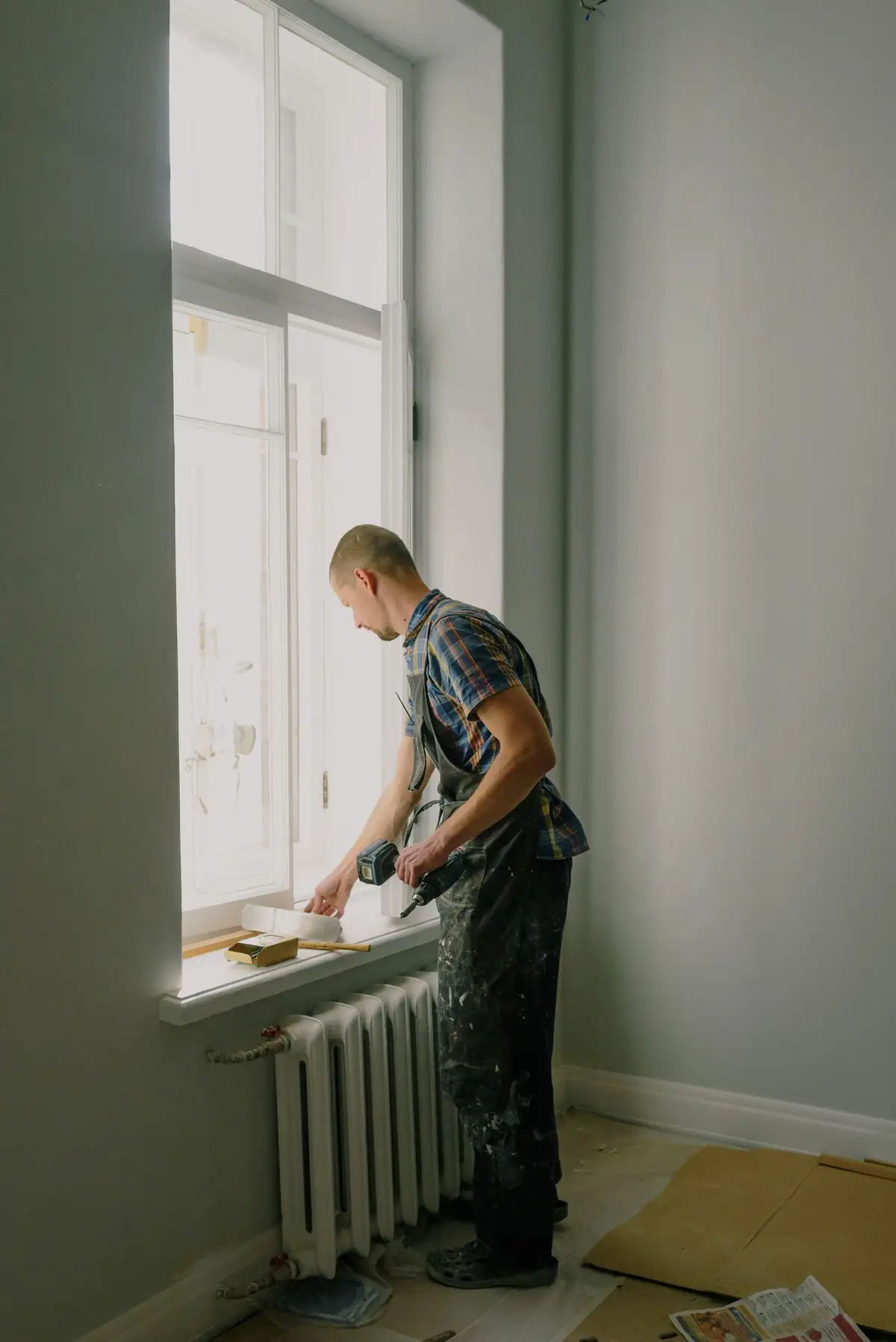
I will find and tag all six on any visit, free. It takes ten minutes.
$130
Two hours. I go through the house with a 40-point list, fix the small things as I go and leave a written report.
$240
Spring and fall, booked ahead. Small fixes up to half an hour each are included.
$240
The same, with a call to you afterward about what I saw and what can wait.
Sample prices for this concept site. Parts at cost.
The usual rule is one percent of the house's value a year. Most years you will spend less. Then a water heater goes.
Water heaters, 10 to 12 years. Disposals, 10. Faucets, 15 to 20. Caulk, 5 to 10. Smoke alarms, 10. Roofs here, 20 to 25.
Tell them a retired shop teacher is coming to look at one door. I am good at staying for coffee and finding four other things.
Of course. Most people do. The check-up only means fewer things break on a Sunday.
Book a check-up, or send the list that is already on the fridge.