Perennials and natives.
Plants that come back every year, picked for our clay and our summers. About a third are Missouri natives, marked with a green stake.
For sun and for shade
Picks for southwest Missouri. How much sun does the bed get?
- Purple coneflower
- June to August. Native. Takes heat, clay and deer.
- Black-eyed Susan
- July to September. Native, spreads gently.
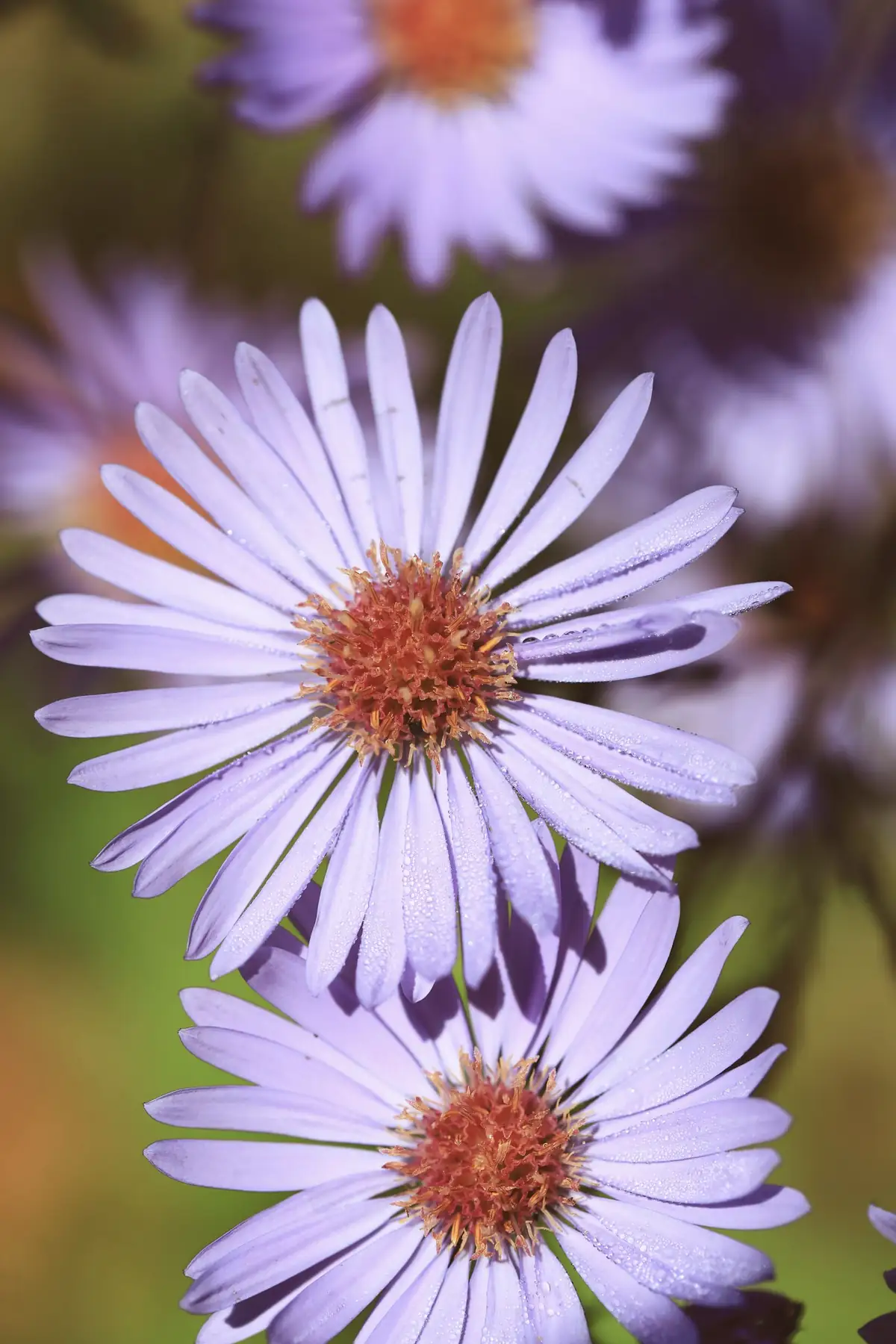
- Aromatic aster
- September to October. Native, food for late butterflies.
- Little bluestem
- Copper all winter. Native grass.
- Coral bells
- Leaves all season. Plum and lime leaves.
- Hostas
- Leaves all season. Deer love them, sadly.
Why natives
- They feed bees, butterflies and birds that evolved with them.
- They shrug off our summers once their roots are down.
- Less water and no fertilizer after the first year.
- Look for the green stake on the perennial tables.
- Ask for a native garden list for sun, shade or wet spots.
Planting a perennial
Spring or fall
Cool weather lets roots grow before summer heat.
Loosen the clay
A shovel's depth, with a little compost mixed in.
Same depth as the pot
Never buried deeper than it grew.
Water deeply
Twice a week the first month, then when dry.
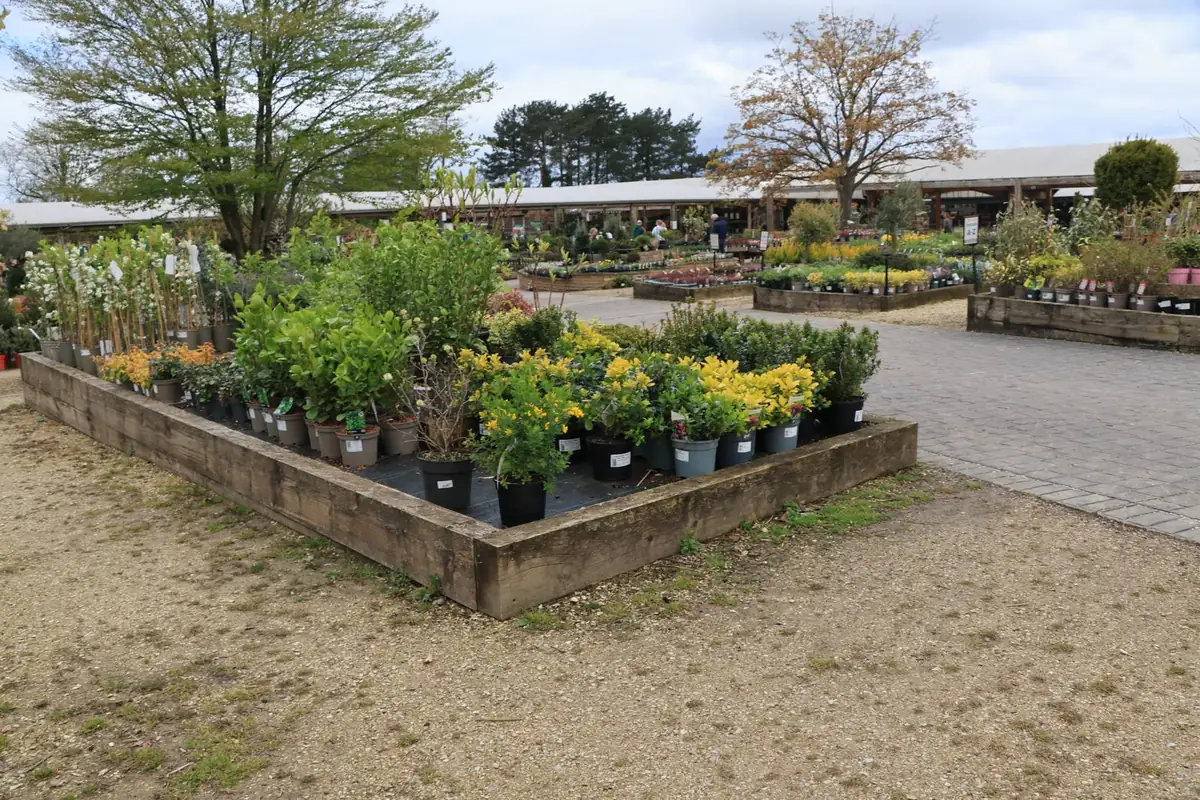
Walking the perennial yard
- Sun tables along the south side.
- Shade tables under the cloth by the greenhouses.
- Natives with green stakes throughout.
- Bring a photo of your spot and we will walk you to the right table.
Planting perennials in clay
Ozarks clay holds water in spring and bakes hard in August. Dig a hole twice as wide as the pot, loosen the sides, and mix in a little compost but not so much that the hole becomes a bathtub. Set the plant at the same depth it grew in the pot.
Water it well, mulch two inches deep and keep the soil damp for the first month.
The first years
Some perennials bloom right away, but most only a little the first year; the saying is sleep, creep, then leap. Leave seed heads for the birds in fall and cut back in late winter. Divide them every few years in spring with a sharp spade, and we show you how in the workshop. Under oaks, plant hostas, coral bells, ferns and wild ginger, and water twice as often the first year.
Find the right plant for the spot.
Bring a photo and the plant doctor will help you pick.