Concept design by Medeiros Web Design. Kindred Hearts Home Care is a fictional business.
Memory care at home.
Home is where a person with dementia knows the way to the bathroom and which chair is theirs. With the right help, many can stay there a long time.
What help looks like as it goes on
| Stage | What families see | What a caregiver does |
|---|---|---|
| Early | Repeated questions, missed bills, getting lost on a familiar drive | Company, rides, a hand with meals and a quiet eye on pills. A few hours, a few days a week |
| Middle | Trouble dressing and bathing, restlessness in late afternoon, not knowing the day | Daily routine, personal care, walks, simple tasks to do together. Most days, often with evenings |
| Late | Little speech, help needed to eat and move, sleeping much of the day | Gentle personal care, turning and positioning, feeding slowly, music and touch. Often around the clock, with hospice |
How we are trained to help
Join their world
If it is 1962 and Dad needs to feed the cows, we talk about the cows. Correcting only frightens.
One thing at a time
Here is your shirt. Then: this arm. Not: get dressed, breakfast is ready.
Slow, and from the front
Come into view, say their name, smile and wait. Hurry looks like threat.
Behavior is a message
Pacing may mean pain, hunger, a full bladder or boredom. We look for the reason before anything else.
A day with a rhythm
- The same order every day. Up, wash, dress, breakfast, a walk. Routine does the remembering for them.
- Mornings for the hard things. Baths and appointments before noon, when most people are at their best.
- Something to do after lunch. Folding, sorting, sweeping, looking at photographs. Purpose, not busywork.
- Late afternoon, lights on. Curtains drawn before dusk, a snack, soft music. It eases the restlessness called sundowning.
- A calm evening. The television news off. The same bedtime, and a night light to the bathroom.
Making the house safer
Wandering
A chime on the outside doors, a stop sign at eye level and an ID bracelet with a phone number.
The kitchen
Stove knobs off or covered, an automatic shut-off and knives and cleaners in a locked cupboard.
The bathroom
Grab bars, a shower chair, a hand-held shower and the water heater set to 120 degrees.
Falls
Throw rugs up, cords tucked away, a clear path to the bathroom and shoes that stay on.
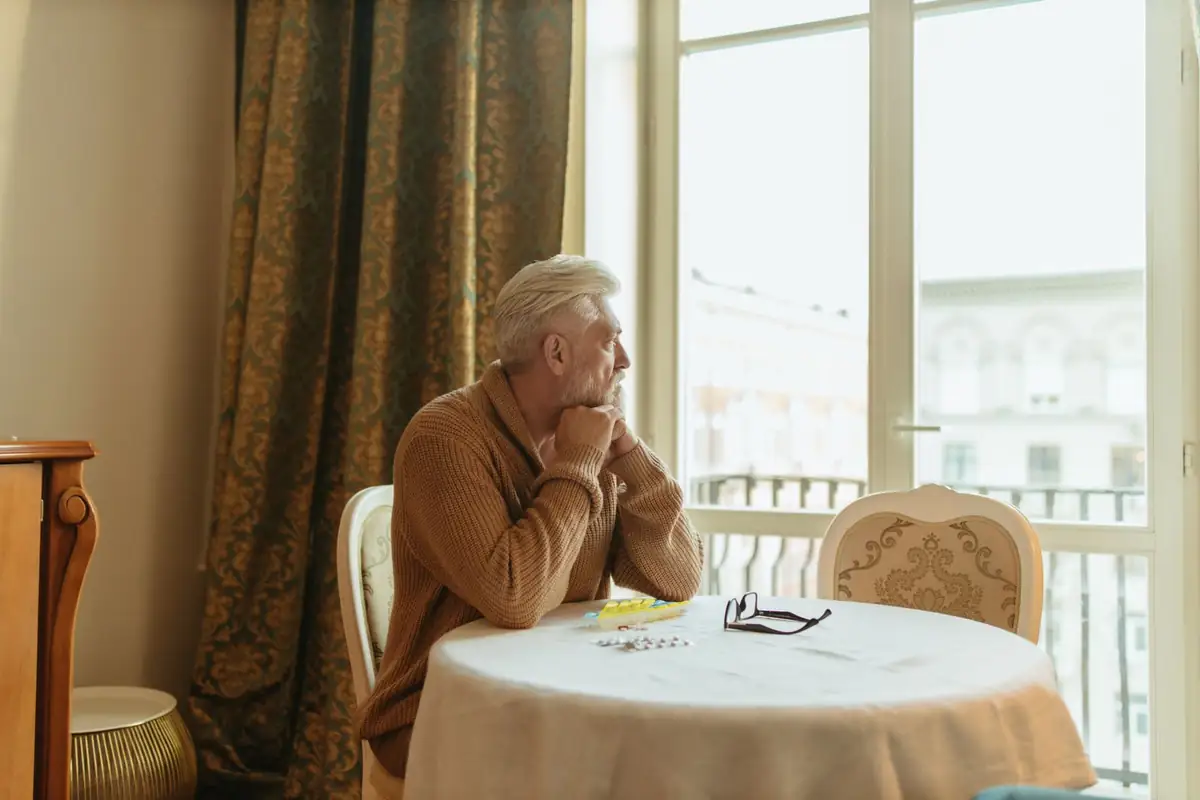
Medicines
Locked away, and given from a filled box. Two doses taken by mistake is common.
Car keys
The hardest talk. Ask the doctor to say it, and we will do the driving.
When things get hard
| What happens | Often means | What helps |
|---|---|---|
| Refusing a bath | Cold, fear of the water or embarrassment | A warm room, a towel over the shoulders, one part at a time. Or try again after lunch |
| The same question, again | Worry, not forgetfulness alone | Answer kindly each time. Write it on a card they can hold |
| I want to go home | Wanting to feel safe, not a place | Ask about home. Look at photographs. A walk and a cup of tea |
| Accusing someone of stealing | They cannot find it, and that is frightening | Help look. Keep spares of the things that go missing |
| Anger or hitting out | Pain, too much noise or being rushed | Step back, lower your voice, give room. Tell the doctor if it is new |
| Awake all night | Days and nights reversed | Daylight and a walk in the morning, no long naps and an overnight caregiver so the family can sleep |
A sudden change over a day or two is not the dementia. It is often a urine infection or a new medicine. Call the doctor.
What stays
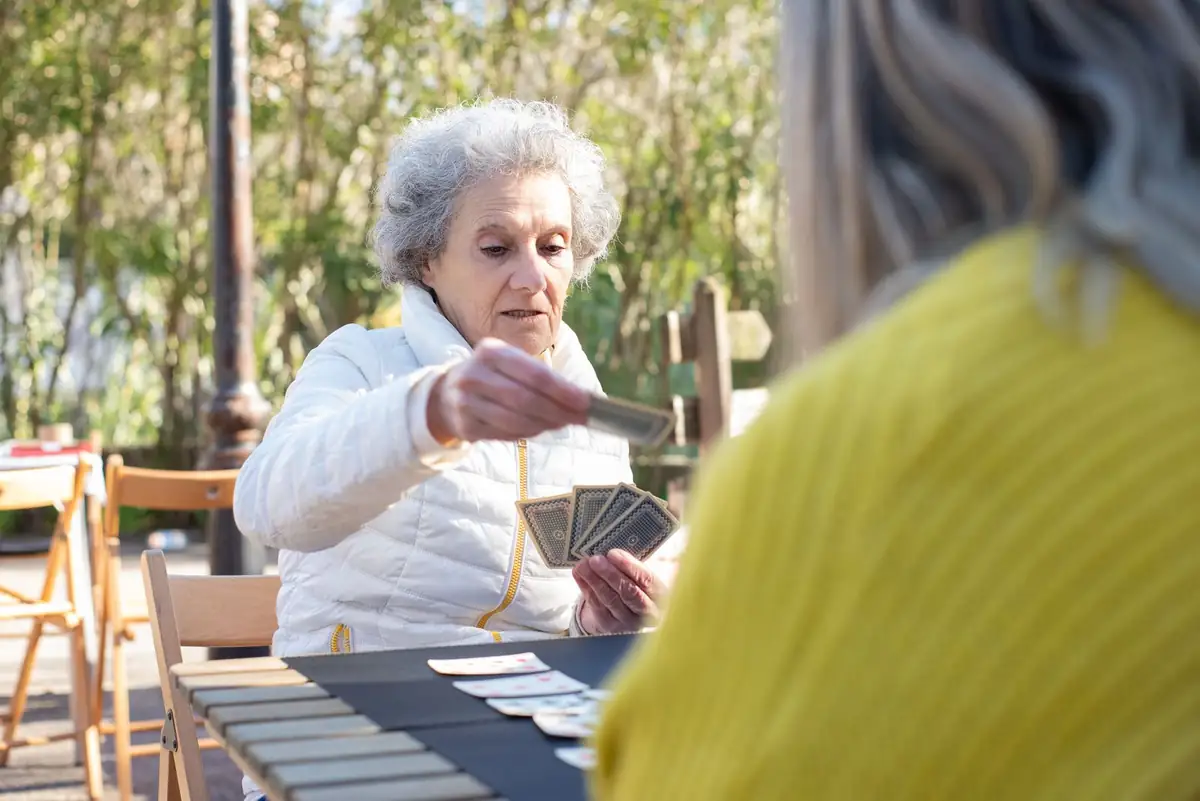
- Music. Songs from their teens and twenties stay longest. People who no longer speak will sing.
- Old skills. A farmer still knows how to shell corn. A typist's hands still know a keyboard.
- Feelings. They may forget the visit, and keep the good mood it left for hours.
- Faith. Prayers, hymns and the Lord's Prayer are often word-perfect to the end.
- Touch. A hand held, hair brushed, lotion rubbed into the arms.
For the family
- You cannot argue someone out of dementia. Let the small things go.
- It is the disease talking. The unkind words are not what your mother thinks of you.
- Get the paperwork done early: powers of attorney for money and for health care, while they can still sign.
- Find your people. The Alzheimer's Association runs a free helpline at any hour, and support groups in Springfield.
- Look after yourself. See your own doctor. Sleep. Take the respite hours.
- Moving them is not failing. If home stops being safe, we will say so and help you look.
Tell us about them
The more we know, the sooner a caregiver becomes a friend. Tick what you can bring.
Asked about memory care
Is home really better than a memory care unit?
For many people, for a long time, yes. Familiar rooms mean less confusion. It stops being right when home cannot be made safe, or the cost of round-the-clock care is more than a good unit.
Are all your caregivers trained in dementia?
Every caregiver has our basic course. Those we place with memory clients have twelve more hours, and practice with Renee before they go out alone.
She will not let a stranger in. How do we start?
With a visit while you are there, called a friend coming for coffee. The second time, you step out for twenty minutes. We go at her pace.
Can you stay overnight so I can sleep?
Yes. An awake overnight caregiver, 10 pm to 7 am, is often what lets a husband or wife keep going.
You do not have to work it out alone.
Call and tell a care manager what the days and nights are like. We have very likely seen it before.