A few hours
From 3 hours, once or twice a week
A bath, the shopping and a clean kitchen. Often where families start.
Kindred Hearts Home Care
Concept design by Medeiros Web Design. Kindred Hearts Home Care is a fictional business.
The ordinary things that have become hard: a shower, a hot meal, the right pills, a ride to the doctor and someone to talk to while it all happens.
| Help with | What that means on a visit |
|---|---|
| Personal care | Bathing or a sponge bath, dressing, hair, shaving, teeth and dentures, skin care and help in the bathroom |
| Meals | Shopping, cooking what they like and can eat, sitting down to eat with them and leaving tomorrow's lunch in the fridge |
| Medicine | Reminders at the right time from the pill box the family or a nurse has filled. Noting what was taken |
| Moving about | A steady arm, a gait belt, help in and out of bed and chairs and a walk each day if the doctor allows |
| The house | Laundry, clean sheets, dishes, tidying, taking out the trash and watering the plants |
| Company and errands | Conversation, cards, church, the hairdresser, the pharmacy and rides to appointments in the caregiver's own insured car |
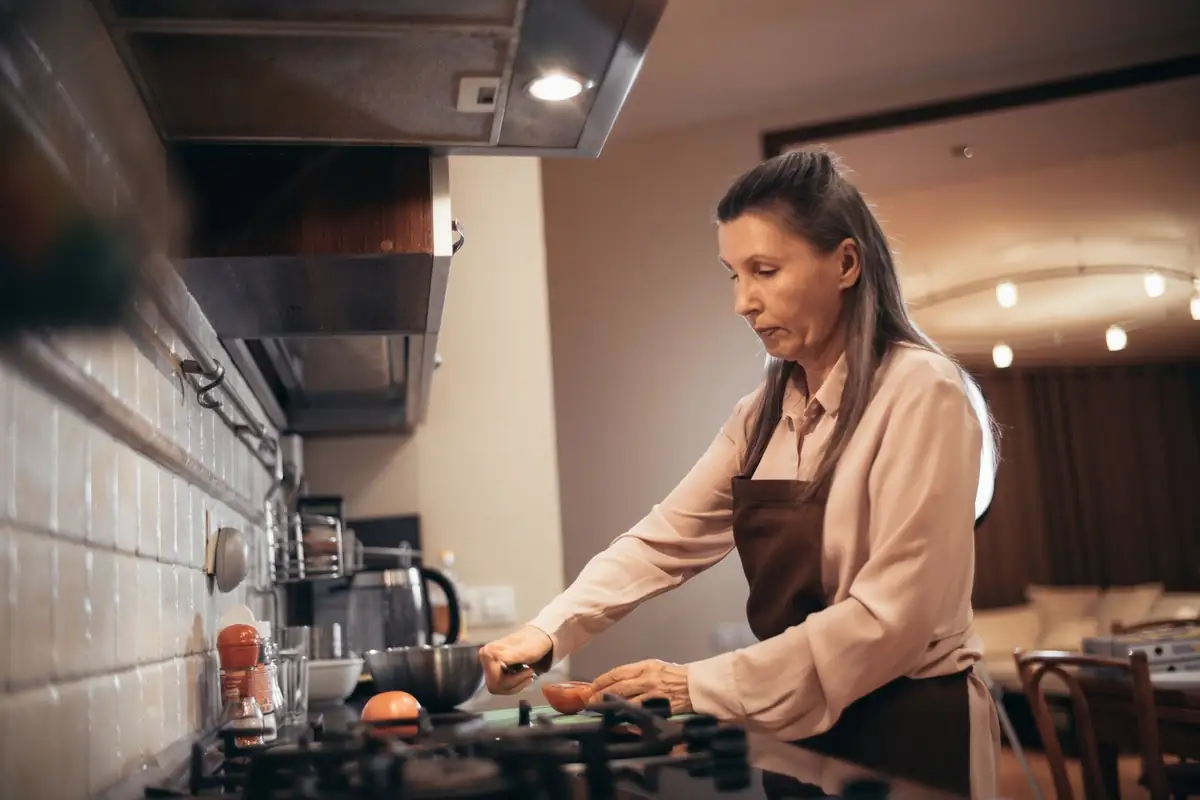
From 3 hours, once or twice a week
A bath, the shopping and a clean kitchen. Often where families start.
4 to 8 hours
Mornings to get up and going, or evenings for supper and bed.
10 pm to 7 am
A caregiver awake all night, for people who wander or need help to the bathroom.
Quoted by the week
After surgery, in the last months or when a spouse can no longer manage alone.
We are non-medical home care. Some things need a nurse or a therapist, and we work beside them.
| Task | Our caregivers | Who does it |
|---|---|---|
| Reminding about pills | Yes | |
| Filling the pill box, giving injections | No | Family, a pharmacist or a home health nurse |
| Wound care and dressings | No | A home health nurse, ordered by the doctor |
| Physical or speech therapy | No. We help with the exercises the therapist leaves | A home health therapist |
| Checking blood pressure or blood sugar | We can remind and write it down | The person, family or a nurse |
| Hospice care | We stay alongside, for the hours hospice staff are not there | The hospice team |
Call us when you know the day. A care manager can meet you at the hospital and read the discharge plan with you.
A caregiver brings them home, collects prescriptions on the way and settles them in.
When most return trips to hospital happen. Someone there for meals, pills, the bathroom and to notice a fever or confusion.
As strength returns, hours come down. Many people need us for three or four weeks and then not at all.

Four hours so a husband can go to his own doctor, get a haircut or sleep.
Round-the-clock care from Friday to Sunday for a wedding, a funeral or a rest.
Every Thursday, the same caregiver. Something to count on.
Half of family caregivers become ill themselves. Taking a break is part of the job.
Tick what applies, and bring it to the first conversation.
Yes, in the caregiver's car, which we insure for it. The caregiver goes in with her and writes down what the doctor said.
Yes. A bath, a meal and a tidy kitchen take about that, and it is fair to the caregiver who has driven over.
Often. One plan and one hourly rate covers both, when both need help.
Yes. Families add a few hours of one-to-one company and help wherever their parent is living.
A twenty-minute call with a care manager costs nothing, and you will know what is possible.