A buyer's inspection, hour by hour.
About three hours at a 2,000 square foot house, the same path every time, and a report in your inbox by the next morning. Here is what happens on the day and what to do with what we find.
Inspection day
For an 8 AM start. Come at 10 for the last hour and the walk-through.
- 8:00, outside. A slow walk around the house: grading, siding, windows, the deck and every downspout.
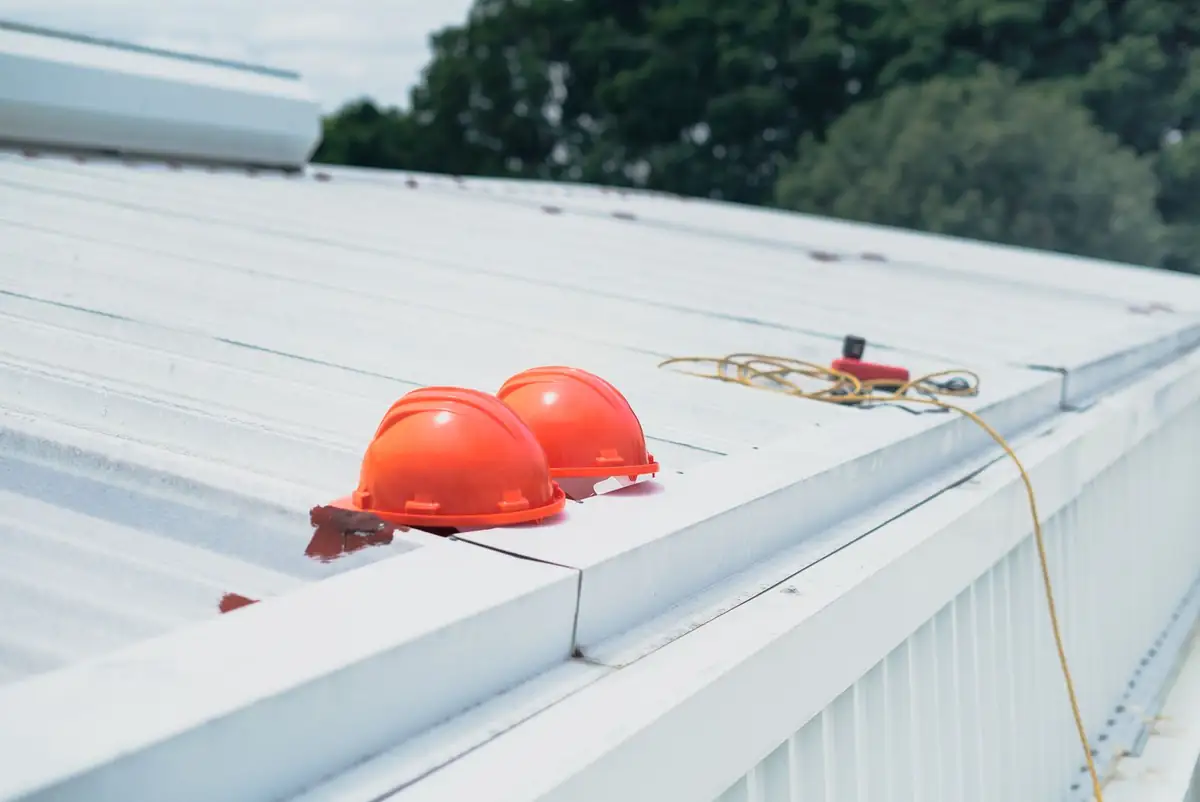
- 8:30, the roof. Walked when it is dry and safe. Flown with the drone when it is steep or wet.
- 9:00, the attic. Insulation, ventilation, old leak stains and any wiring that should not be there.
- 9:30, the systems. The electrical panel opened, the furnace and air run, the water heater checked.
- 10:00, every room. Every window opened, every faucet run, every outlet tested. You arrive.
- 10:30, underneath. The crawlspace or the basement, then we sit down and go through it together.
On the roof
- Hail first. Spring storms here leave bruised shingles that leak a year later. We mark every hit we find.
- The age of the shingles. Three-tab shingles last about 20 years. Thicker architectural ones, 25 to 30.
- Flashing at the chimney, the walls and every pipe. Most roof leaks start there, not in the field.
- Gutters and downspouts, and where the water goes once it reaches the ground.
- The drone for steep, wet or fragile roofs. You get the photos either way.
What we find most in Ozarks houses
| Finding | Usually in | Typical fix |
|---|---|---|
| Downspouts emptying at the foundation | Houses of every age | $20 to $100 in extensions |
| No GFCI outlets by sinks | Houses before the 1990s | $150 to $300 for an electrician's visit |
| Two wires under one breaker | Any panel someone has added to | $150 to $250 |
| Bath fans venting into the attic | Houses before about 2000 | $250 to $500 |
| Wet crawlspace, no vapor barrier | Older houses on clay | $600 for a barrier, more to seal it |
| Gray plastic water pipe | Houses plumbed 1978 to 1995 | $4,000 to $10,000 to replumb |
| Stair-step cracks in block walls | Houses on our clay soils | $400 to $600 for an engineer to look |
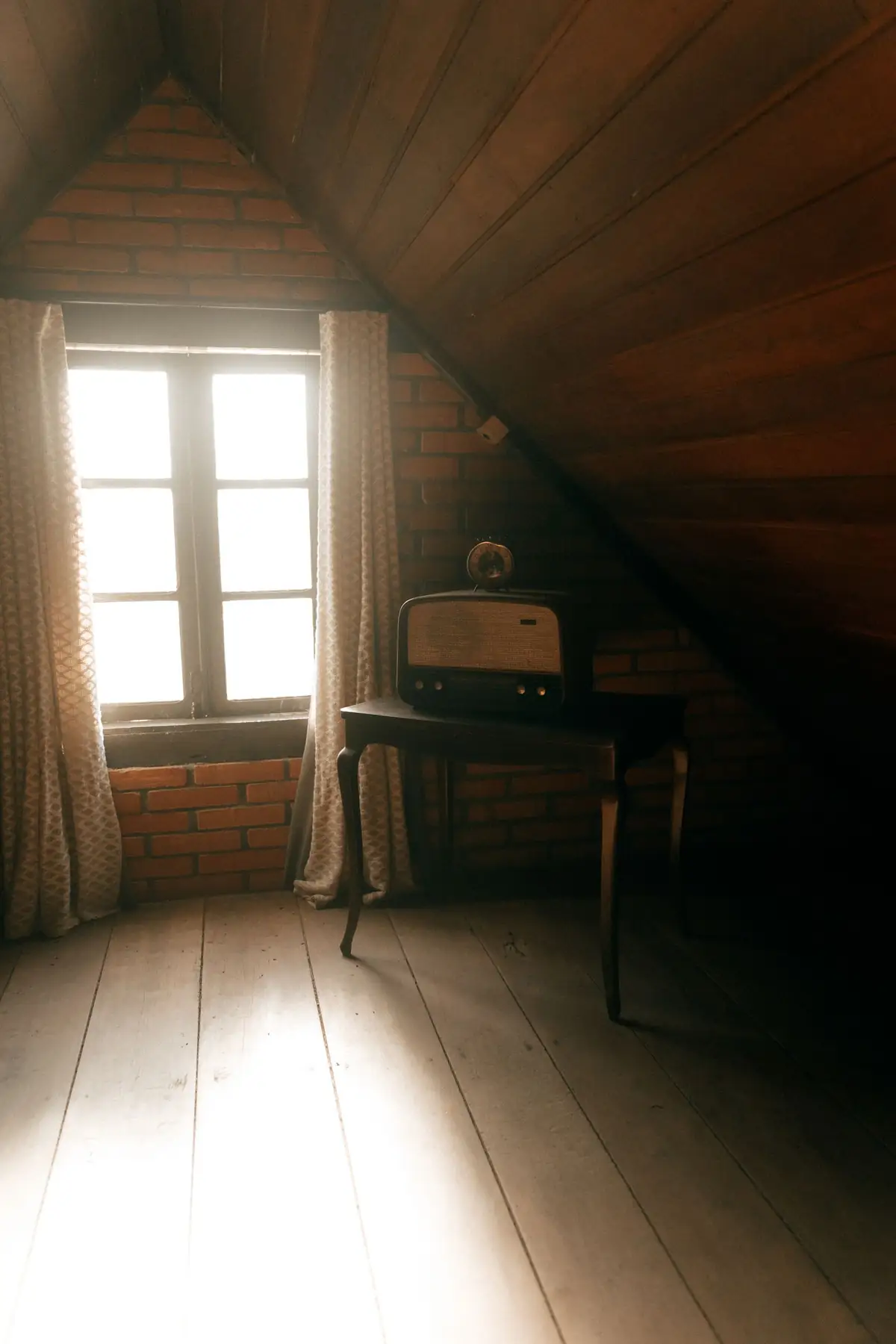
In the attic
- Insulation depth. For Missouri, about 16 inches of loose fill. Many older houses have six.
- Air in and out: vents at the eaves and the ridge. A hot, damp attic ages the roof from below.
- Old leak stains around the chimney and pipes. Dry today, or not? We check with a moisture meter.
- Wiring spliced without a box, or buried where someone will step on it.
- Visitors: droppings, nests and chewed wires.
What a report is, and is not
It is
- A record of what we could see and test, on one morning
- Photos of every finding, with a plain note on what to do
- Sorted with safety items at the top
- Yours. We do not send it to anyone without asking
It is not
- A code inspection. Houses are not held to today's code
- An appraisal. We do not say what it is worth
- A look inside walls, under carpet or behind furniture
- A promise about the future. A 15-year-old furnace can fail next week
Reading the three labels
Safety
Could hurt someone. Open wiring, a missing handrail, a gas smell, a water heater without its relief pipe. Fix before you move in.
Repair
Broken or about to cause damage. A leaking trap, a downspout at the foundation, a window that will not open. Price it and ask.
Monitor
Working today but worth watching. An old water heater, a hairline crack, worn shingles. Budget for it.
After the report: asking for repairs
- Read the summary first. Safety items are at the top. Most buyers can stop worrying about the rest of the list after ten minutes.
- Call me with questions. Before you talk numbers. A finding that sounds frightening is often a $20 fix.
- Ask for what matters. Safety items and anything expensive. Asking for every loose cabinet hinge can sour a deal.
- Get real quotes. From licensed trades, inside the inspection period in your contract.
- Repair or credit. A credit at closing lets you choose who does the work. Your agent will know which the seller prefers.
- Check the work. A re-inspection of the repaired items before closing is $150, sample price.
A buyer's inspection at a glance
Asked by buyers
Should I inspect a house I am buying as is?
Yes. As is means the seller will not fix things. You still want to know what you are taking on, and you can still walk away inside your inspection period.
Can I follow you around the whole time?
You are welcome to. Most people find the last hour more useful, when I can show them what matters instead of everything.
Do you go into the crawlspace?
Every time it is safe to. If it is flooded or has live wires, I say so in the report and photograph what I can from the hatch.
What if you miss something?
Call me. I will come and look. Some things are hidden on the day, but I will always tell you honestly what I could and could not see.
Under contract? Set the date.
Most inspections happen within three days, which fits the deadlines in most contracts.