EV chargers and backup power.
Two jobs that both come down to the same question: how much can your panel carry? We answer that first, on paper, before anything is bought.
Putting in a home charger
- A load calculation tells us whether the panel has room for a 40 or 60 amp circuit.
- The run from the panel to the garage sets most of the price. Under thirty feet is the base price.
- Hardwired or plug-in: hardwired is tidier and allows 48 amps. A plug lets you take the charger with you.
- We install any brand you buy, or supply one.
- Permit and inspection are included, and so is the utility rebate paperwork when there is one.
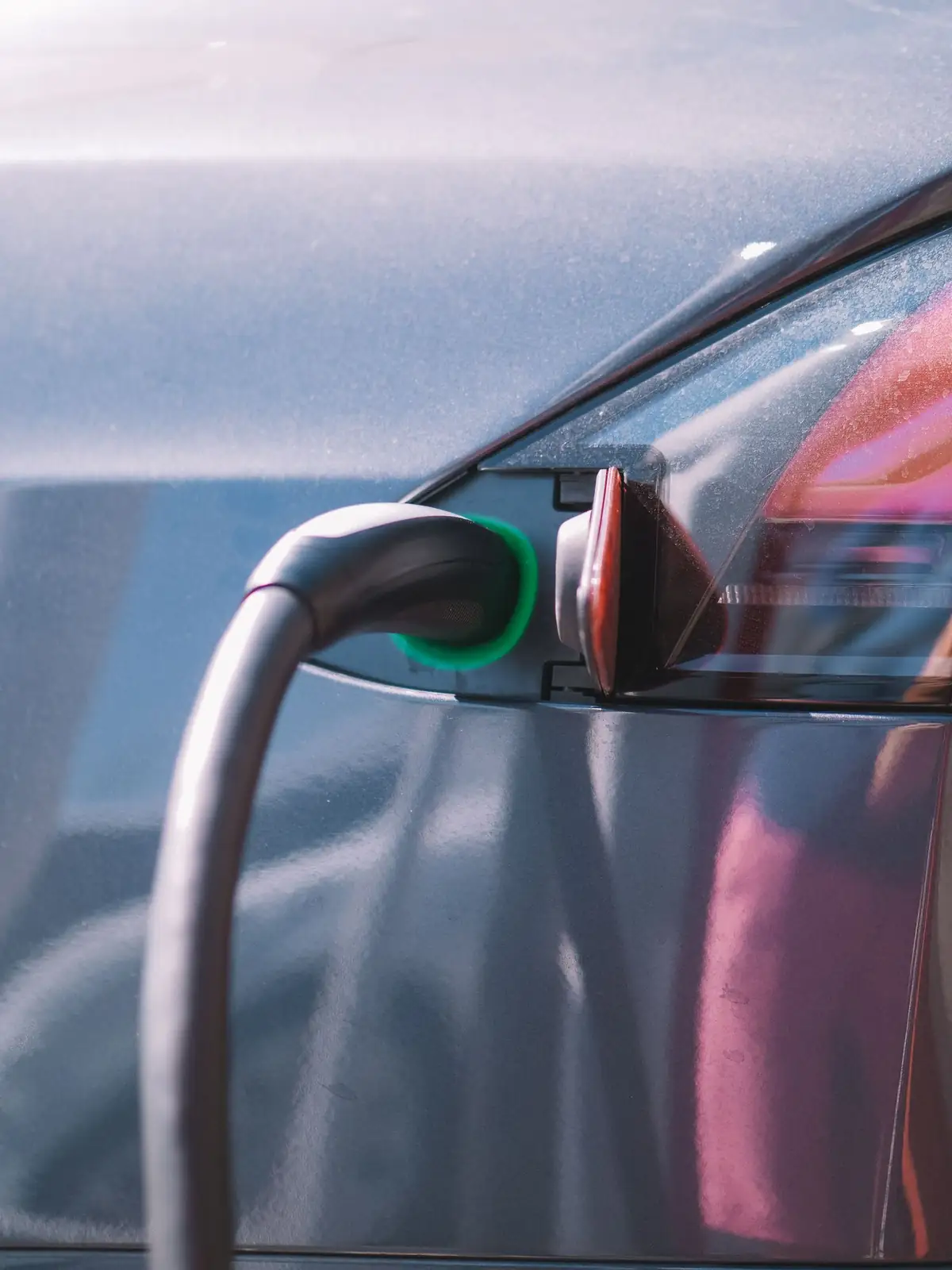
What a charger costs to put in
Labor, wire, breaker and permit. The charger itself is separate. Sample prices for this concept site.
| Job | Price |
|---|---|
| 240 volt outlet by the panel, 40 amp circuit | $1,150 |
| Hardwired charger, 60 amp circuit, under 30 feet | $1,450 |
| Each extra 10 feet of run | $90 |
| Outdoor mounting on a post | $380 more |
| Load management device, when the panel is nearly full | $420 |
| A second charger sharing one circuit | $650 |
If the panel cannot take it, a load management device is often cheaper than a 200 amp upgrade. We price both.
Three ways to keep the lights on
About $650
A portable hookup
An inlet on the outside wall and an interlock on the panel. Your own generator runs the fridge, furnace and lights.
From $9,000
A standby generator
Sits outside on a pad, runs on natural gas or propane, and starts by itself within seconds.
From $12,000
A battery
Silent, and it pairs with solar. Runs the essentials for a day or so.
How big a generator?
| Size | Runs | Good for |
|---|---|---|
| 5,000 watts, portable | Fridge, furnace fan, lights, a sump pump | Getting through an ice storm |
| 8,000 watts, portable | The above, a well pump and a microwave | A house on a well |
| 14,000 watts, standby | Most of the house, with one air conditioner | A typical three-bedroom |
| 22,000 watts, standby | The whole house, as usual | All-electric homes, or medical equipment |
Three rules for a portable generator
Every big storm, someone in the Ozarks is hurt by one of these.
Run it outdoors
Twenty feet from any door or window, never in a garage. The exhaust has no smell and it kills.
Never backfeed
A cord from the generator into a dryer outlet sends power out to the street and can kill a lineman. An interlock makes that impossible.
Let it cool to refuel
Gasoline on a hot muffler is how sheds burn down.
Putting in a standby generator
- A site visit to pick the spot: five feet from openings, and where the gas line can reach.
- A concrete or composite pad, the generator, and a transfer switch beside the panel.
- The gas company or a plumber runs the fuel line. We coordinate it.
- Two days of work, with the power off for about four hours on the second.
- A yearly service, $185: oil, filter, plugs, battery test and a run under load.
Have these ready for a quote
Asked about chargers and generators
Can I just use a wall outlet for my EV?
Yes, at three to five miles of range an hour. It suits a short commute. Use an outlet on its own circuit, never an extension cord.
Will a charger raise my bill much?
A typical driver adds $30 to $50 a month, far less than gasoline for the same miles.
Portable hookup or standby?
If you are home and able to wheel a generator out, the $650 hookup covers most outages. Standby is for people who travel, or who cannot be without power.
How loud is a standby generator?
About as loud as a central air conditioner. It runs a ten-minute test once a week.
Send a photo of your panel.
With the door open, and one of the label inside. We can usually say in a day what your house will carry.